Skip to content

Morphology of Flowering Plants

Class 11

21 previous-year questions from this chapter every option and the correct answer, free · where the marks are

1. Root, stem and leaf: modifications

Exam focus: The classic mix-up is thorn versus spine: a thorn (Bougainvillea, Citrus) is a hardened, axillary branch — a stem structure — while a spine (Opuntia, Acacia) is a modified leaf or stipule, and NEET relies on their shared "sharp defensive structure" look to test whether you actually know the difference in origin.

Root, Stem and Leaf: Modifications

Competition Wallah

Full chapter video with clear root-modification, stem-modification and leaf segments per its own chapter list.

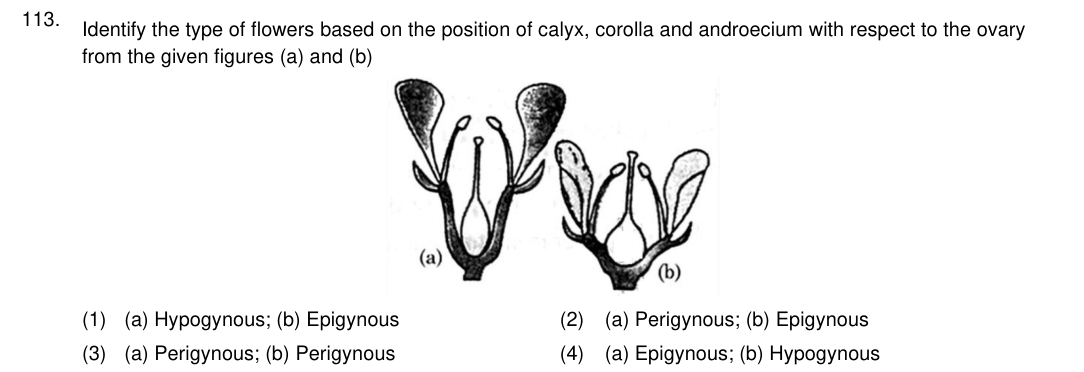
2. Inflorescence, flower and floral formula

Exam focus: Whether the main axis keeps growing decides everything: a racemose inflorescence has an indefinite, still-growing axis and opens acropetally (oldest flower at the base), while a cymose one ends in a terminal flower that stops the axis, so it opens basipetally instead — options frequently swap which order goes with which type.

Morphology of Flowering Plants

Vedantu Biotonic for NEET

Covers the whole Morphology of Flowering Plants chapter, so inflorescence types, flower structure and the floral formula/diagram are all included, alongside root, stem, leaf and fruit/seed morphology beyond just this subtopic.

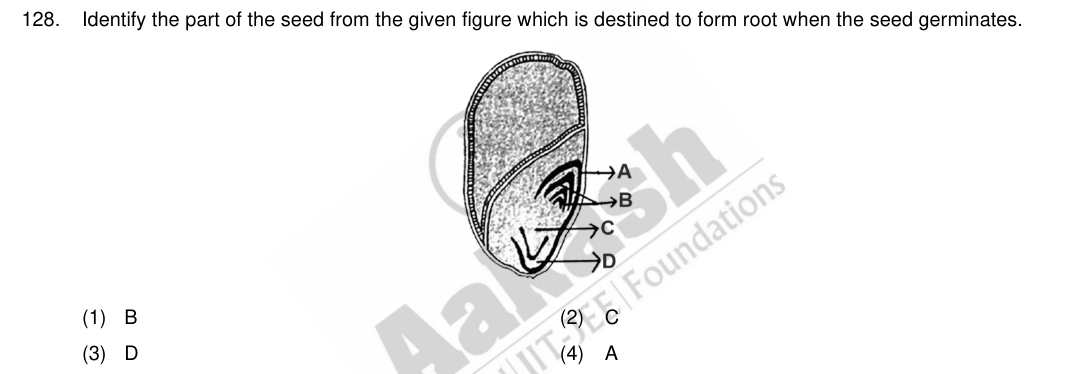
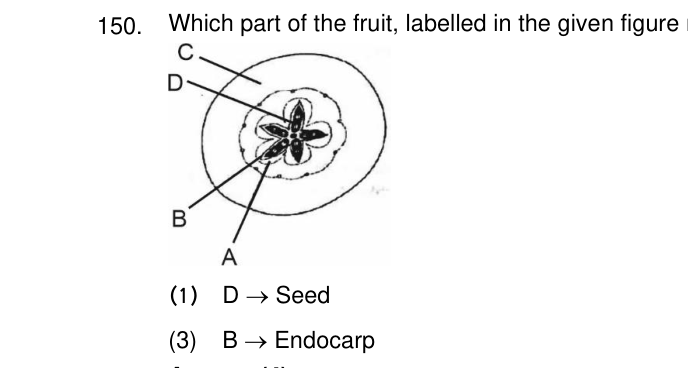
3. Fruit and seed; families

Exam focus: Not every fruit is simply "a ripened ovary": apple, pear and cashew are false fruits whose fleshy, edible part develops from the thalamus (receptacle) rather than the ovary, which is exactly the example set NEET uses to check this distinction.

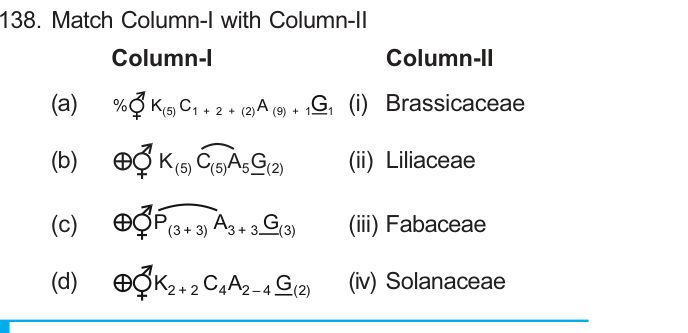
Fruit and Seed; Important Plant Families

Competition Wallah

Same video covers fruits, seeds and the floral diagram/formula, but detailed treatment of important plant families (Solanaceae, Fabaceae, etc.) is lighter than a dedicated families video would give.